Observations, Forecast Improvement, and Decision Support for Underserved Communities
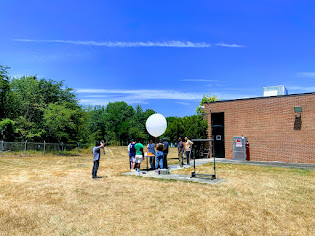
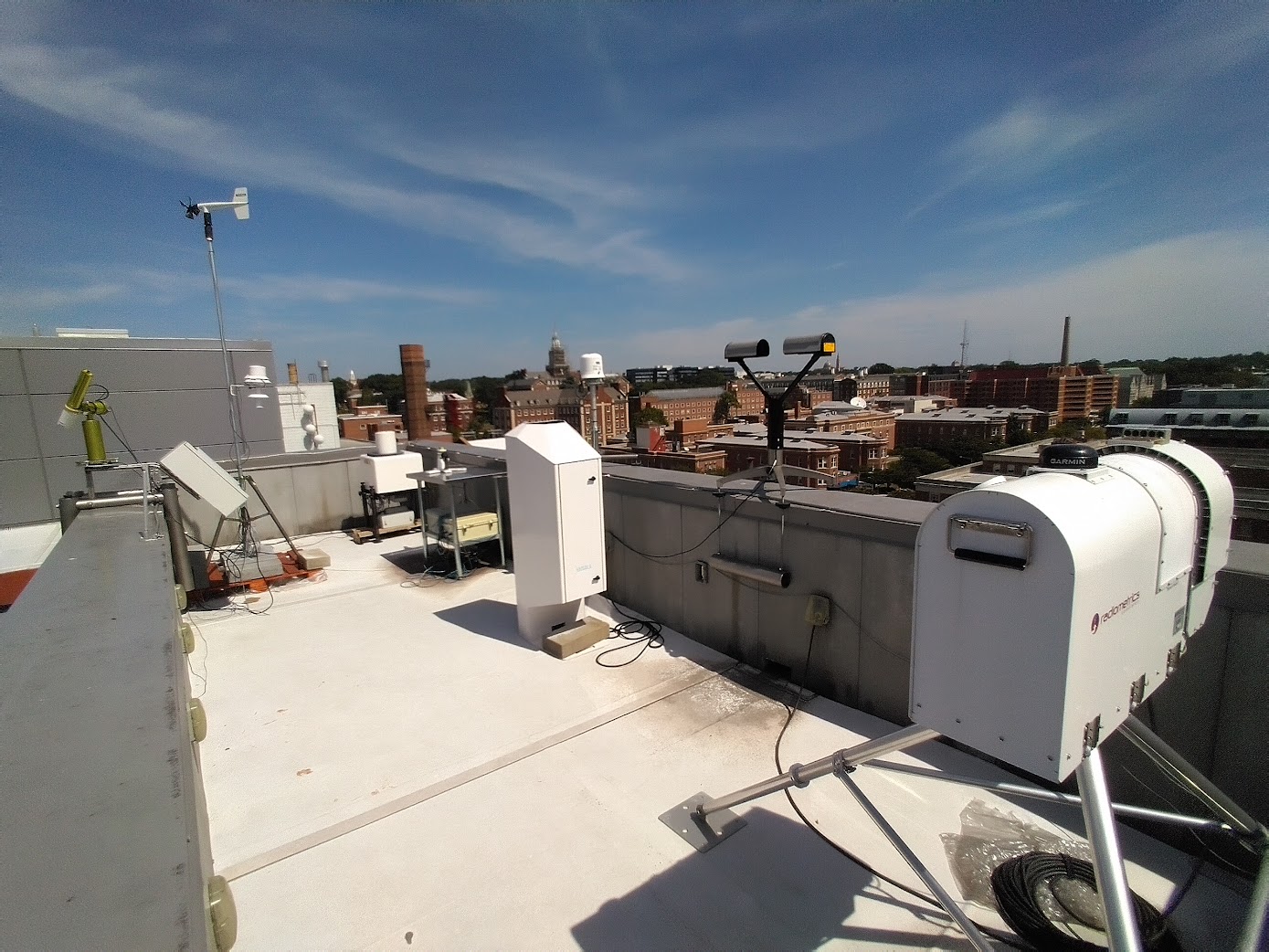
NCAS-M advances Weather-Ready Nation (WRN) goals by deploying novel and traditional observations, closing gaps in NOAA operational networks, and conducting field campaigns and urban/suburban surface and upper-air measurements. Interdisciplinary work—spanning convective-scale guidance to social/behavioral research—strengthens Impact-based Decision Support Services (IDSS) for emergency managers, public safety officials, and vulnerable communities.
NCAS-M II is the Cooperative Science Center (CSC) primarily aligned with the NOAA National Weather Service (NWS).
These core research specialties translate NCAS-M’s mission into actionable science. They represent the primary areas of expertise through which NCAS-M advances observations, improves forecasts, and delivers decision support to those most in need.
Environmental Observations & Network Gaps
Deploy and integrate novel & traditional sensors to fill WRN-relevant observing gaps.
- Surface & upper-air profiling
- Suburban & urban sites (HU)
- Partner in-situ measurements
Field Campaigns
Design and execute targeted campaigns to expand spatiotemporal coverage.
- NOAA/AEROSE trans-Atlantic cruises
- CSC/Joint Collaboration Project
- Quality observations for NOAA EOs
Forecast & Guidance Improvement
Advance convective-scale guidance to improve lead times and reduce false alarms.
- Observation-model integration
- Support for WRN forecast metrics
- Earth-system coverage expansion
IDSS & Applied Decision Support
Improve interpretative services for core partners during high-impact events.
- Emergency & public safety partners
- Actionable risk & confidence info
- Usable, timely products
Social, Behavioral & Economic Sciences
Understand user needs and decision-making across diverse communities.
- Risk perception & communication
- Forecast confidence messaging
- Evaluation with stakeholders
Community Partnerships & Citizen Science
Build relationships to advance equitable services and participation.
- Vulnerable & underserved regions
- Co-production of knowledge
- Education & engagement pathways